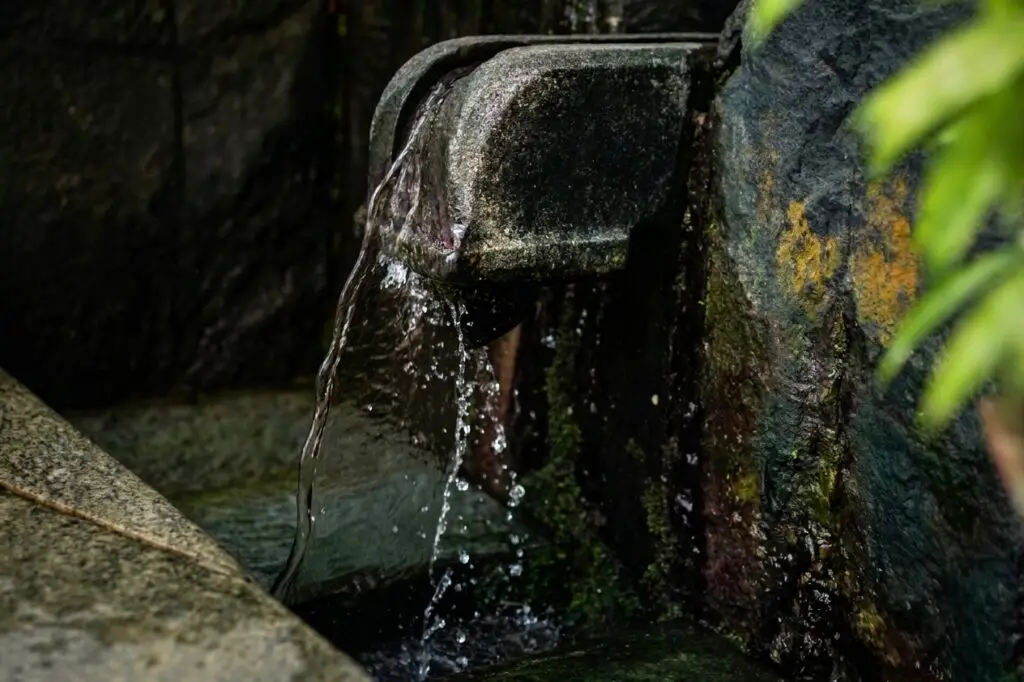
Nestled in the serene village of Parakkal, Chengannur, flows a sacred spring that has remained uninterrupted for over a century. Its origins trace back to a historic moment in 1914 (1090 K.E., Kanni 2), during Sree Narayana Gurudevan’s journey from Chengannur to the Mezhuveli Anandabhutheswaram Temple.
Amidst the region’s distinctive red rocky terrain and vibrant greenery, Gurudevan paused to rest beneath the expansive canopy of an ancient banyan tree. Approaching a nearby pond, he gently moved a single stone, instantly bringing forth a crystal-clear spring. While he drank to refresh himself from his travels, his profound intention was to bestow a perennial source of pure water upon the local community. As the villagers gathered around the miraculous sight, Gurudevan blessed the grounds, prophesying that this tranquil haven would one day emerge as a revered pilgrimage destination. Today, that divine legacy continues to flow.
Sree Narayana Guru

"One Caste, One Religion, One God for Man."
Gain freedom through education, gain strength through organization.
Whatever be the religion, it is enough if man becomes good.
Acts performed for one's own well-being must also contribute to the well-being of others.
An experience of deep spiritual renewal and tranquility. From the moment you step onto the sacred grounds, the serene atmosphere immediately stills the mind and evokes a profound sense of inner peace.
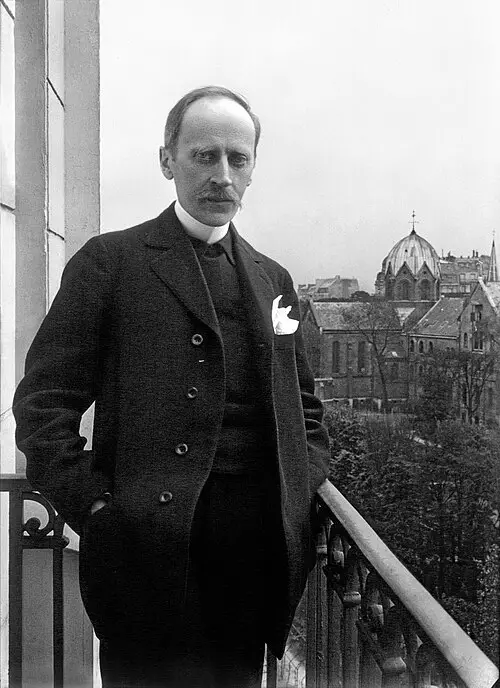
French philosopher and Nobel prize laureate for literature, Romain Rolland described Narayana guru as 'Jnani of Karma', noting that he exemplified how faith could be used to bring about social change
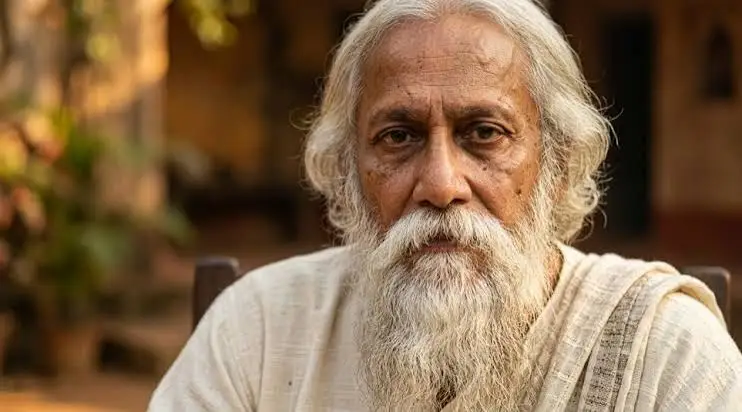
Tagore stated that he had never come across a person who was spiritually greater than Sree Narayana Guru, noting that the Guru's-motto of universal love and oneness transcended all boundaries